At Moorong Veterinary Clinic, we know your pets are part of the family. Vaccination has revolutionised the control of infectious disease in animals, and keeping your pet up to date is one of the most important things you can do for their long-term health.
For over 40 years, our team has vaccinated the dogs, cats, rabbits and horses of Wagga Wagga and the Riverina. We’ll tailor a vaccination plan to your pet’s age, lifestyle and risk – whether they’re a brand-new puppy, an outdoor cat, a much-loved senior or a working animal.
Why Vaccinate?
Many of the diseases we vaccinate against are highly contagious, difficult to treat and often fatal. Some, like parvovirus, can spread without your pet ever meeting an infected animal.
- Protects your pet from diseases such as parvovirus, distemper, cat flu, FIV and calicivirus
- Protects the wider pet population – the more animals vaccinated, the harder it is for disease to spread
- Keeps doors open – boarding kennels and training classes require proof of up-to-date vaccination
- Saves heartache and cost – prevention is far easier, and kinder, than treating a serious illness
Outbreaks of diseases like parvovirus still occur regularly across Australia, especially in summer, so staying on top of boosters really matters.

Choose Your Pet
Dog Vaccination
From a puppy’s first course to annual adult boosters, we help protect your dog against parvovirus, distemper, hepatitis, canine cough and more. Leptospirosis vaccination may also be recommended depending on your dog’s risk.
Cat Vaccination
Whether your cat lives indoors or roams outside, vaccination helps guard against feline enteritis, cat flu, chlamydia, feline leukaemia and FIV – one of the most important disease threats to cats in Wagga.
Rabbits, Horses and Other Animals
We also vaccinate rabbits, horses and other animals. Every animal’s needs are different, so get in touch and our team will talk you through the right vaccination options for yours.
Vaccination at Every Life Stage
Puppies and Kittens
Young animals are temporarily protected by antibodies in their mother’s milk. These antibodies fade over the first few months, but until they do, they can also stop a vaccine from working. That’s why puppies and kittens need a series of vaccinations rather than a single one.
Kittens, for example, generally need at least two vaccinations 3–4 weeks apart from 8 weeks of age. We’ll set a schedule that suits your new pet.
Adult Pets
The protection from early vaccinations weakens over time, leaving your pet vulnerable again. Annual health checks with booster vaccinations as required provide the best protection for life. Vaccinations are also part of our annual health check, so it’s a great time to talk about worming, heartworm, dental care and nutrition too.
Boarding, Training and Puppy School
Going on holidays? Most boarding facilities require proof that your pet has been vaccinated within the past 12 months. If a booster is due, book it well ahead of your stay and check the kennel’s own policy on timing. Boarding advice →
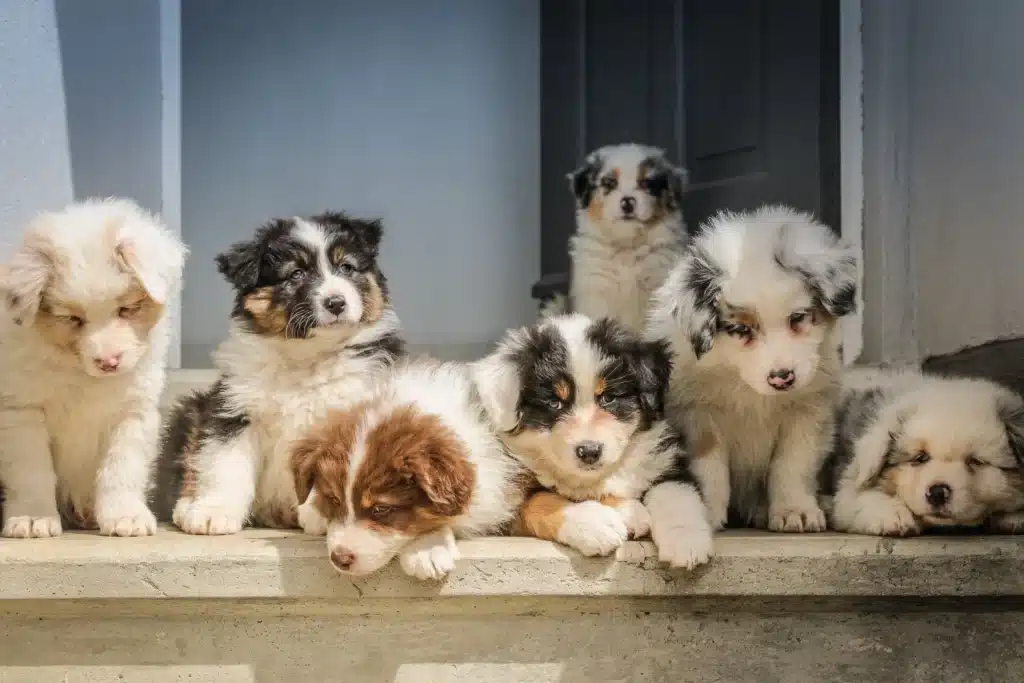
Dogs also need to be up to date with their vaccinations to join our Canine Academy training course, and vaccination is one of the health topics we discuss in our Puppy Pre-School program.
After Vaccination Care
After a vaccination, your pet may be a little off-colour for a day or two, or have some mild swelling or tenderness where the injection was given. Food, water and a comfortable place to rest are usually all they need. If the reaction seems more severe, please call us for advice.